
The Small, Yet Powerful Word: Grief
I thought I knew what grief was. I believed I understood it, inside and out. When I was nine years old, I lost my grandmother, leaving behind a forever, empty space in my heart and memories I still hold close. At such a young age, I didn’t fully comprehend what her passing truly meant; that she was gone and not coming back home. As I grew older, I learned how to cope, to live with the loss, and to celebrate her memory. Does it still hurt? Absolutely. But over time, the pain became more tolerable.
However, when I experienced pregnancy loss, my entire definition of grief was shattered. This was grief on a completely different level. I felt ready to go to war with anyone around me. Words like “I understand,” “It wasn’t meant to be,” or “I’ve been praying for you,” felt more like salt in an open wound than comfort. Some days, I carried an unexplained anger toward life and the unfair hand it had dealt me. Other days, I cried so much my eyes went numb from wiping away tears. I had so much to say, yet my words fell flat. I couldn’t capture how I felt, let alone explain it in a way others could understand.
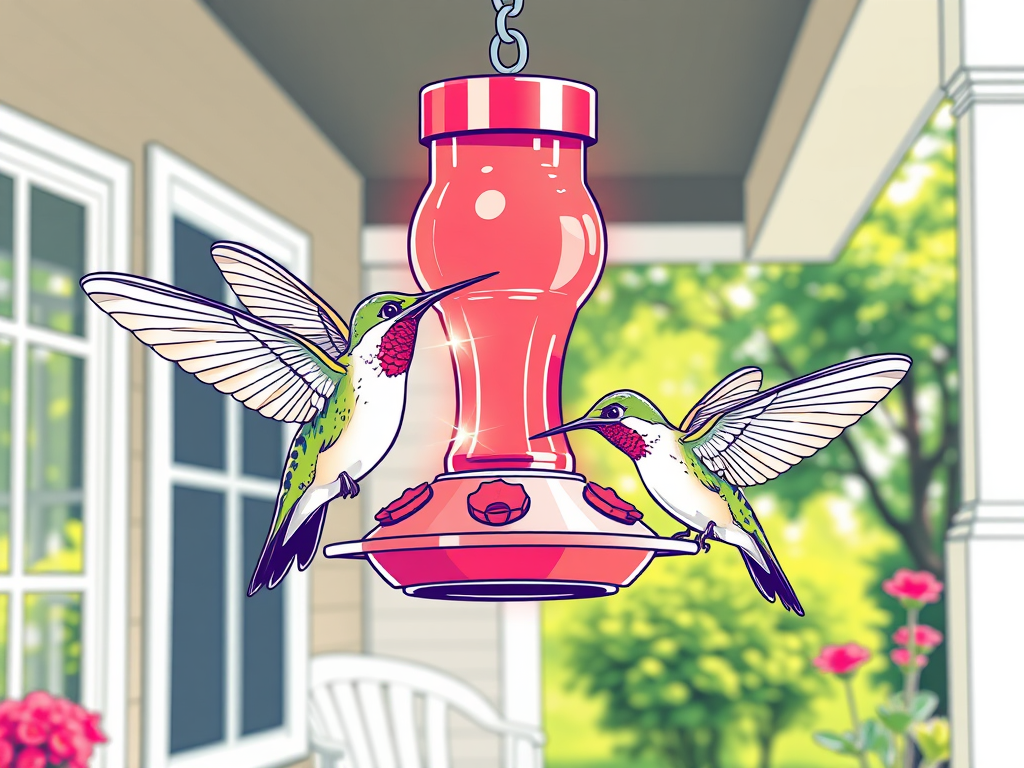
There were days when I would sit on my back porch and watch hummingbirds. Strangely enough, they brought me comfort. I watched them drink from the feeder I filled with sugar water, noticing how hard they worked just to eat. I watched them chase one another away when too many gathered at once, flying around like tiny jets and chirping with excitement. Even now, thinking about them makes me smile. I never would have imagined that hummingbirds could offer healing during such a difficult time.
As magical as those moments were, I still needed help. A few months after the loss, I began therapy, though, it wasn’t my idea at first. At the time, I was navigating grief daily while also working full-time, a terrible combination for a body already overwhelmed by loss. A close friend lovingly recommended a therapist because she could see that I was struggling. Therapy not only helped me process grief but also allowed me to confront and cope with past struggles I had never fully addressed.
After three to four months of therapy, I began to feel better internally. I was less moody, less harsh toward others, and slowly started to recognize myself again. I was sleeping more than three hours at a time. I cried less. Bit by bit, happiness started to return to my life.
Therapy isn’t a magic pill that erases pain or makes hurt disappear. It teaches you coping strategies and helps you understand how your body and mind respond to joy, sadness, loss, and everything in between. You truly get out of it what you put into it. It takes work. Hard work. Beginning with change, and most importantly, growth.
I share this snapshot of my battle with grief to show how deeply it can affect you and transform your daily existence. But, I also want you to know that you don’t have to face it alone. If you’re struggling with loss, grief, or past trauma, I encourage you to take that first step toward therapy. I know it’s scary, but once you do, you will soar mountains.
 Hope In The Waiting
Leave a comment