What Is PCOS? A Simple Explanation
If you’ve ever been told you might have PCOS or you’ve wondered if it could explain what’s been happening in your body, you’re not alone. PCOS can feel confusing, overwhelming, and sometimes downright unfair. My goal here is to explain it in a way that actually makes sense.
PCOS stands for Polycystic Ovary Syndrome. Despite the long name, it’s simply a condition that affects how a woman’s hormones work.
At its core, PCOS is a hormonal imbalance.
Our bodies rely on hormones to communicate. When those signals get mixed up, things can feel off; cycles become irregular, ovulation doesn’t always happen the way it should, and symptoms start to show up in ways that don’t always seem connected at first.
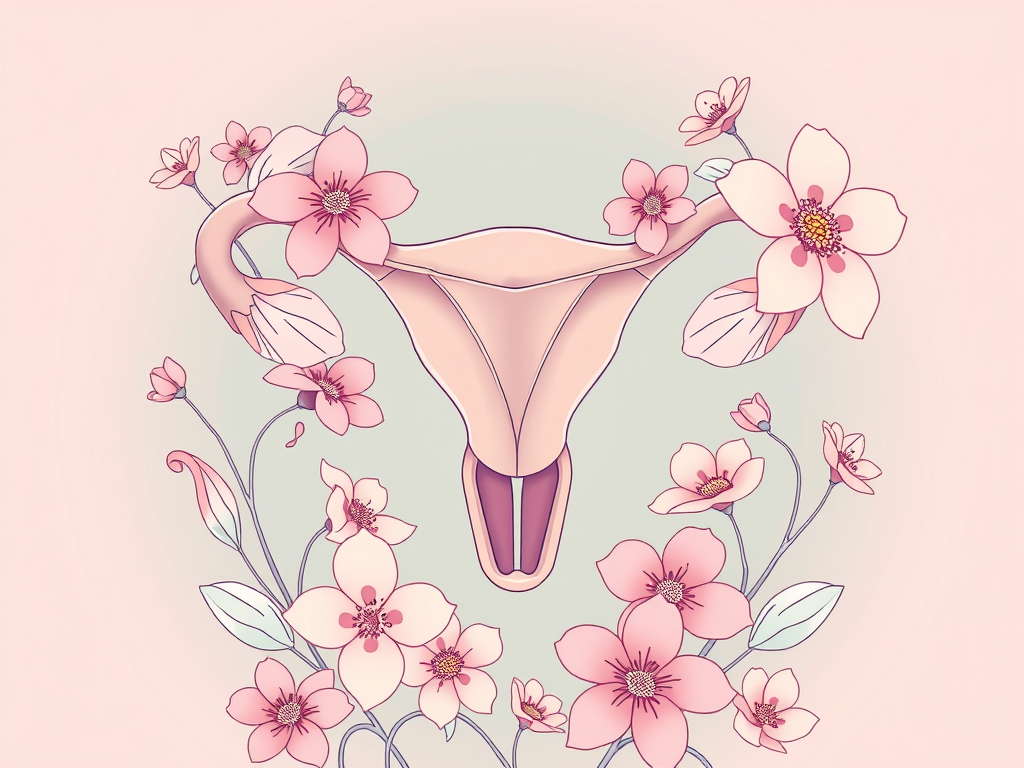
What’s Actually Happening in the Body?
In women with PCOS, the ovaries may not release an egg regularly or at all. Instead, the egg can get “stuck,” forming what looks like tiny cysts on the ovaries. (Not everyone with PCOS has cysts, and having cysts doesn’t automatically mean you have PCOS.)
Another big piece of PCOS is androgen hormones, often called “male hormones.” Every woman has them, but women with PCOS tend to have higher levels. This can lead to symptoms like acne, unwanted hair growth, or thinning hair on the scalp.
PCOS is also closely tied to insulin resistance, which means the body struggles to use insulin properly. When this happens, insulin levels rise and that can trigger even more hormone imbalance.
It’s all connected. And none of it is your fault.♥
Common Symptoms of PCOS
PCOS looks different for everyone, but some common signs include:
- Irregular or missing periods
- Difficulty ovulating or getting pregnant
- Acne or oily skin
- Unwanted facial or body hair
- Thinning hair on the head
- Weight changes or difficulty losing weight
- Fatigue
- Mood changes
You don’t need to have all of these to have PCOS.
How Is PCOS Diagnosed?
There’s no single test for PCOS. Diagnosis usually involves a combination of:
- Bloodwork to check hormone levels
- An ultrasound to look at the ovaries
- A review of symptoms and menstrual history
This process can take time and sometimes persistence. If you feel like something isn’t right, trust that quiet voice inside you.♥
Can You Still Get Pregnant with PCOS?
Yes!!!
I want to say that clearly and gently: PCOS does not mean you can’t get pregnant.
It may mean the journey looks different. It may take more support, more patience, or different treatment options but pregnancy is possible for many women with PCOS.
And even if pregnancy isn’t your goal right now, PCOS still deserves attention so your body can feel supported and balanced.
Living With PCOS
There’s no “one-size-fits-all” solution for PCOS. Treatment depends on your symptoms, your goals, and what your body responds to best. That might include lifestyle changes, medication, cycle support, or fertility treatments.
But more than anything, living with PCOS requires grace.
Grace for your body.♥
Grace for your emotions.♥
Grace for the days when things feel heavy.♥
Don’t Give Up!
If you’re navigating PCOS, please know this:
You are not broken.
Your body is not failing you.
It’s communicating and learning how to listen is a powerful first step.
Ask questions. Advocate for yourself. Feel what you need to feel. And remember, you are never walking this path alone.♥
 Hope In The Waiting